
7 Safe Indoor Lighting Options for a Power Outage
Last Updated: November 24, 2026
Quick Summary
The safest indoor lighting during a power outage is a rechargeable LED lantern or flashlight with no open flame. Battery-powered LEDs produce no carbon monoxide, no fire risk, and no dripping wax, making them the default choice for rooms where people sleep, cook, or care for children and pets.
- A rechargeable lantern spreads light across a room instead of throwing one hot spot.
- The solar lantern with remote is rated at roughly 350 lumens across 10 to 15 square metres.
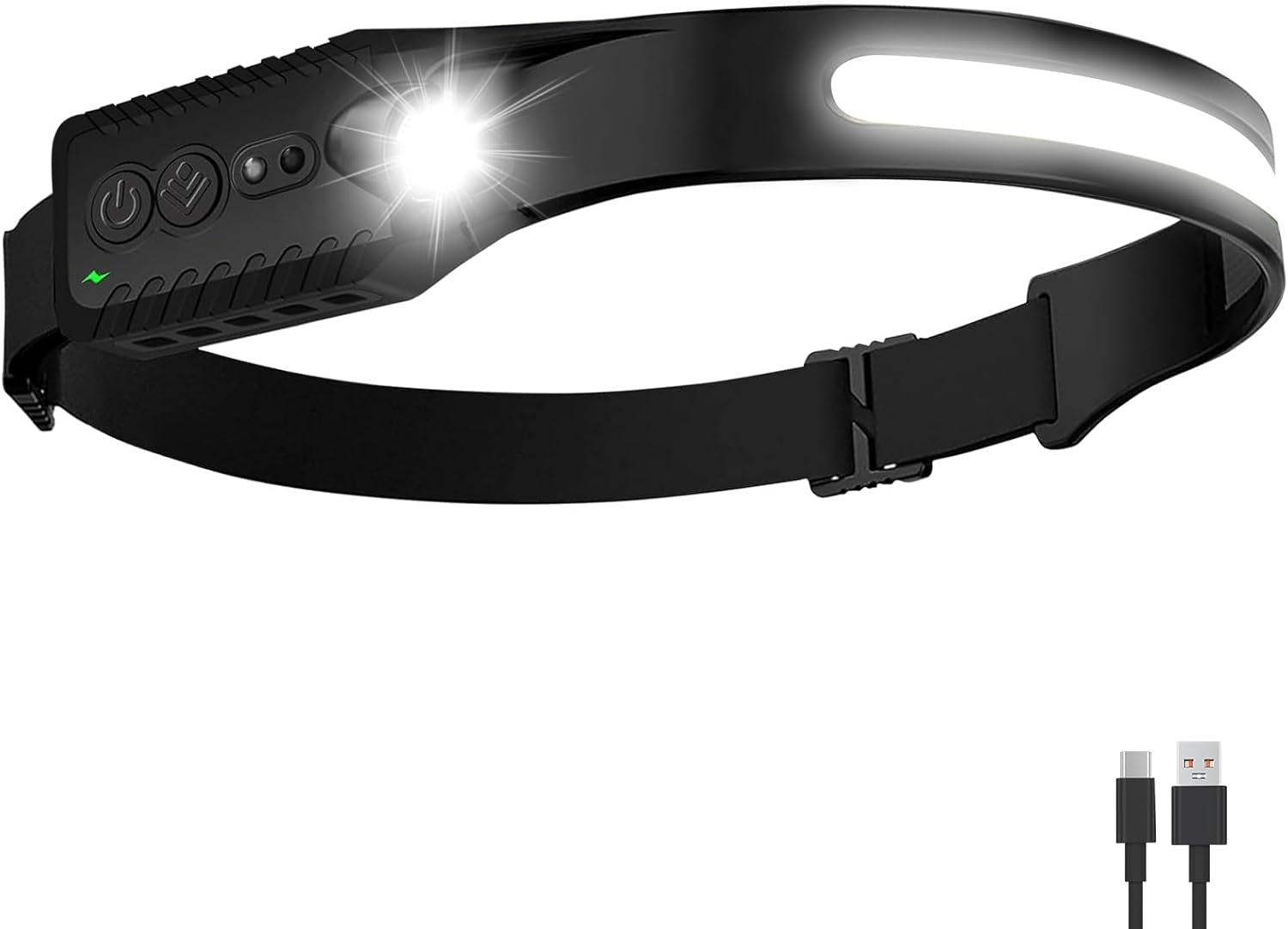
- The 400-lumen headlamp offers a 230° wide beam and five modes including an SOS strobe.
- A hallway or bathroom night path needs roughly 20 to 50 lumens to be safe without glare.
- Keep a generator outside at least 20 feet from doors, windows, and vents.
Table of Contents
- What is the safest indoor lighting during a power outage?
- Best rechargeable light for power outage: lanterns, headlamps, and flashlights
- Best battery operated lights for power outages
- How long do rechargeable emergency lights last?
- What should I avoid using for indoor lighting during a power outage?
- Get your home lighting plan ready before the next outage
- Frequently Asked Questions
What is the safest indoor lighting during a power outage?
The safest indoor lighting during a power outage is a rechargeable LED lantern or flashlight with no open flame.
That answer matters more than most people realize. The U.S.
Below, we'll show you which rechargeable and battery-powered lights work best room by room, how long they run, and the mistakes that turn a minor outage into an emergency.
Best rechargeable light for power outage: lanterns, headlamps, and flashlights
The best rechargeable light for a power outage depends on the job: a lantern for whole-room illumination, a headlamp for hands-free tasks, and a flashlight for spotting and signaling.
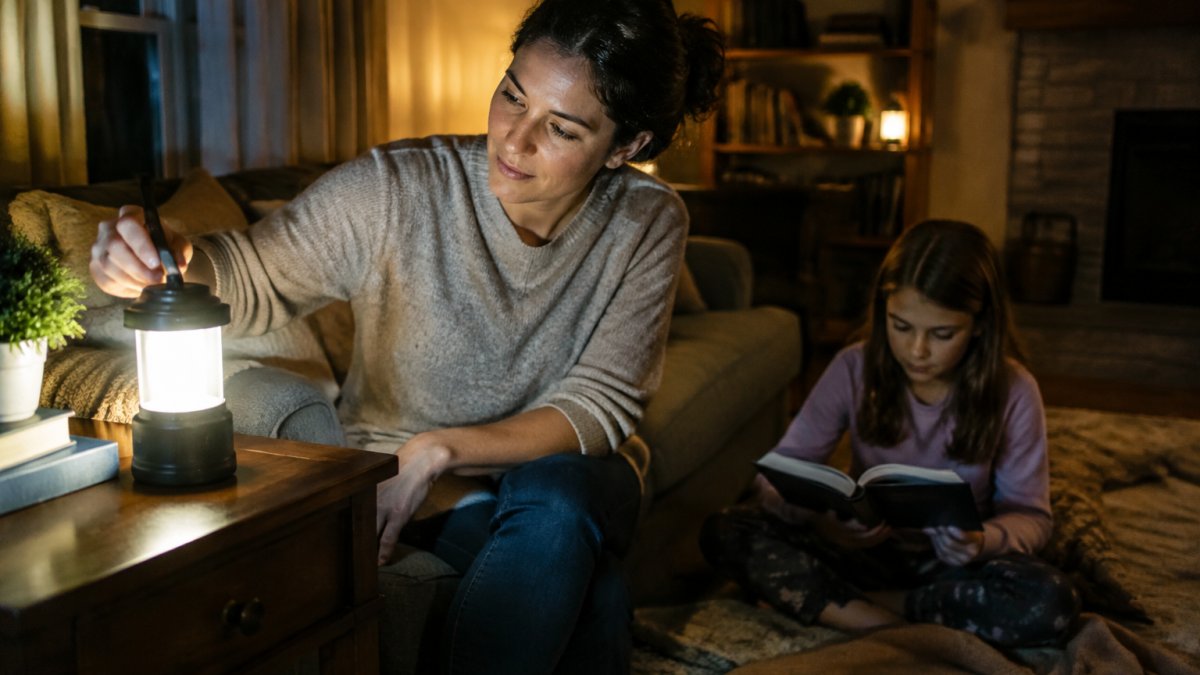
Rechargeable lighting wins on cost and convenience: charge it during normal weather, store it charged, and top it up every few months.
Rechargeable lanterns for room-wide illumination
A rechargeable lantern is the workhorse of indoor backup lighting because it spreads light across a whole room instead of throwing one hot spot.
Our pick is the solar camping light and rechargeable lantern with remote control.
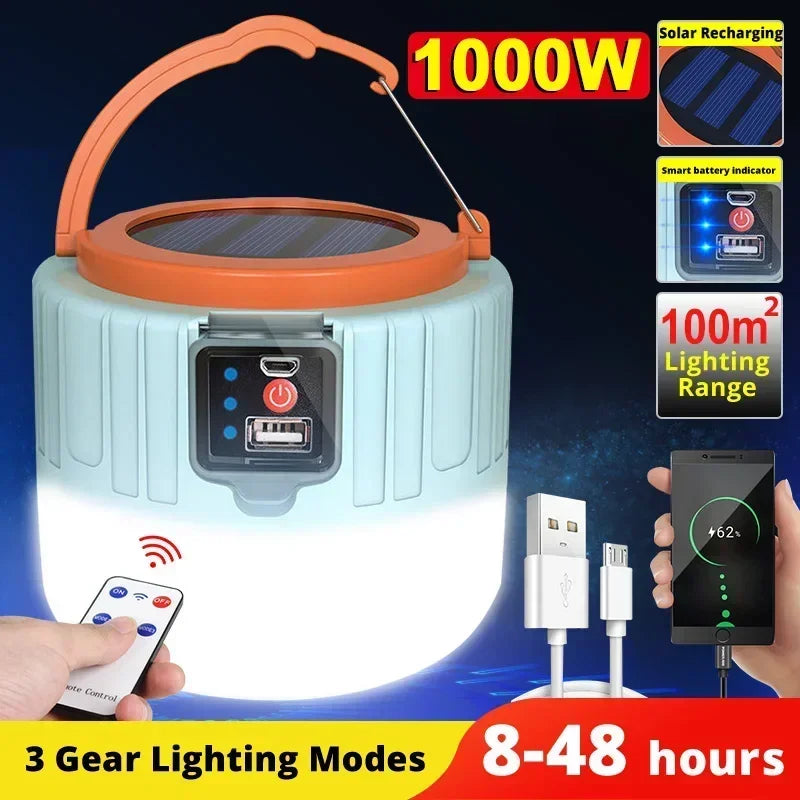
Best for: living rooms, kitchens, and bedrooms where the whole family gathers. Skip if: you need a focused beam to inspect a fuse box or check outside.
Headlamps and flashlights for hands-free tasks
Headlamps and flashlights handle everything a lantern can't: reading a breaker panel, changing a fuse, checking on a pet, or walking a hallway without tripping over toys. Hands-free lighting is the difference between a calm repair and a sprained ankle.
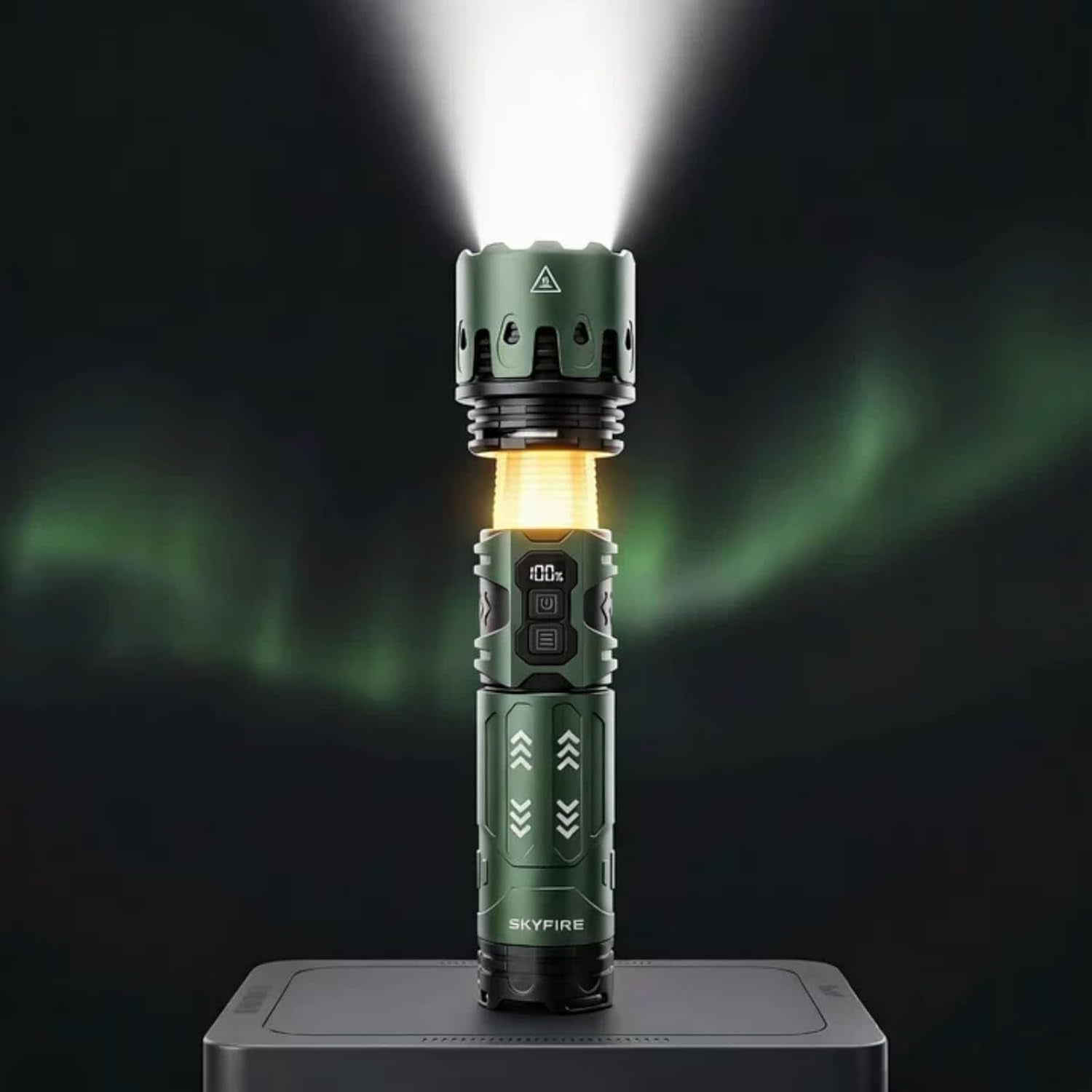
The 400-lumen rechargeable LED headlamp offers a 230° wide beam, five modes including an SOS strobe, and USB-C charging. For raw reach, the Skyfire 3000-lumen rechargeable flashlight adds a soft camping-lamp mode with warm and cool colour temperatures, so it works as a task light and a room light in one body.
Best battery operated lights for power outages
Plug-in night lights with backup batteries and motion-activated lights are common choices for hallways and stairs during outages.
Automatic-on lighting solves the scariest moment of any outage: the instant of darkness. A plug-in night light with a backup battery stays charged while the grid is up, then takes over the second it fails.
Plug-in night lights and motion-activated options
A power-failure nightlight is cheap insurance: charge it in a wall socket, and it lights a hallway or bathroom for hours when the power dies.
Motion-activated lights belong where people move in the dark: stairwells, entryways, and the path between bedrooms and the bathroom.
For portable ambient lighting, keep a couple of small rechargeable lights on nightstands and in the kitchen drawer.
How long do rechargeable emergency lights last?
Runtime for rechargeable lights depends on brightness mode, and listed runtimes vary by product. You can browse rechargeable solar and battery emergency gear for longer-lasting power outage lighting and tools. Runtime falls fast as brightness rises, so plan around the setting you will actually use, usually low or medium, not the marketing headline on high.
Here is how the lights in this guide compare, using the manufacturer's listed runtimes:
| Light | Brightness | Runtime (high) | Runtime (low) | Best use |
|---|---|---|---|---|
| Solar lantern with remote | 350 lumens | ~5 hours | ~6 hours | Room-wide light |
| Rechargeable headlamp | 400 lumens | ~2.5 hours | ~8 hours | Hands-free tasks |
| Skyfire flashlight | 3000 lumens | Varies by mode | Varies by mode | Spotting and signaling |
Brightness
A simple way to size your household's lighting
The calculation that matters is: hours of light needed × rooms lit at the same time ÷ runtime per light on your real setting. A family wanting six hours of evening light across two rooms needs twelve light-hours; two lanterns on low (six hours each) cover that with no margin, while three give you a spare for the bathroom and a buffer.
Lumen ranges by task
A hallway or bathroom night path needs roughly 20 to 50 lumens to be safe without glare. A kitchen counter or reading area needs about 100 to 300 lumens focused on the task. Room-wide ambient light for a living room or bedroom lands around 200 to 400 lumens spread across the space.
Battery capacity, spare batteries, and charging backup
Runtime is ultimately a battery question. For a multi-day outage, plan on one power bank per two phones plus one spare per rechargeable light you rely on most, and charge everything when storms are forecast rather than after the lights go out. USB-C lights are easier to top up from a power bank or car charger than proprietary docks.
Testing and replacement schedule
A runtime number on a spec sheet is a promise, not a guarantee. Test each light quarterly by running it on the setting you would use in an outage and timing how long it lasts. Rechargeable cells lose noticeable capacity after a few years, so replace any light that no longer reaches roughly 70 percent of its rated runtime.
What should I avoid using for indoor lighting during a power outage?
Candles, fuel-burning lanterns, outdoor-rated fixtures brought inside, and generator-powered work lights are the four indoor lighting choices most likely to turn an outage into an emergency. Each introduces a hazard a sealed battery-powered LED does not have, and the hazards compound when people are tired, rooms are dark, and normal habits slip.
Why candles are the wrong default
An open flame in a dark room fails in three predictable ways: it tips when a pet or child brushes the table, it ignites nearby fabric when set down near a curtain or bedding, and it keeps burning after the person who lit it falls asleep. Soot is the slower problem, hours of burning deposits fine black carbon on walls, ceilings, and lungs, which matters most in small bedrooms and bathrooms with little airflow. Battery-powered LEDs give the same warm glow with none of those failure modes, which is why every room-by-room plan here assumes LEDs as the baseline.
Fuel-burning lanterns, camp stoves, and generators
Any device that burns fuel, propane camp lanterns, white-gas lanterns, kerosene lamps, charcoal, or a portable generator, produces carbon monoxide as a byproduct of combustion. CO is colorless, odorless, and binds to hemoglobin far more readily than oxygen, so a person can be impaired before noticing anything wrong. The CDC's guidance is unambiguous: never run a fuel-burning device inside a home, garage, basement, crawlspace, or tent, and never place a generator near a window, door, or vent where exhaust can be drawn back inside.
Outdoor-only lights and hot housings
A fixture rated for outdoor use may lack the sealing, cord strain relief, or heat shielding expected indoors. A work light designed for a garage or patio can run hot enough to scorch fabric if set down on a couch, bed, or pile of laundry. Check the label: if it says outdoor use only, or the housing becomes too hot to hold after ten minutes, it does not belong in a bedroom or living room.
Extension cords and trip hazards
A cord run across a doorway or hallway during an outage is a trip hazard waiting for the first person who walks it half-asleep. Route cords along walls, tape them down at thresholds, and keep them out of paths used by children, older adults, and pets. Never daisy-chain power strips or run a cord under a rug where heat can build up.
Safer alternatives to reach for instead
Replace each risky option with an LED equivalent: a rechargeable lantern for room light, a headlamp for hands-free tasks, a plug-in power-failure night light for hallways, and a battery-operated CO alarm as a backstop. Keep a chemical light stick in each bedroom drawer as a zero-flame, zero-battery backup. The goal is not to ban every light source but to make the safe option the easiest one to grab in the dark.
Get your home lighting plan ready before the next outage
A lighting plan beats a lighting purchase every time.
Use this checklist:
- One rechargeable lantern per main living space, stored charged
- A headlamp in the kitchen drawer and one in the bedroom
- A flashlight in every vehicle and near the breaker panel
For the full room-by-room breakdown beyond lighting, our power outage checklist covers the rest of the house. Testing is the step people skip.
The next outage will arrive without warning, and the difference between a calm evening and a chaotic one comes down to what's already charged and within reach.
Get started with Prep2Survive and build a lighting plan your whole family can rely on.
Frequently Asked Questions
What is the best indoor light for a power outage?
A rechargeable LED lantern is the best all-around indoor light for most rooms because it lights a whole space without glare and runs for hours. For tasks like cooking or repairs, add a headlamp or a focused flashlight. Prep2Survive's solar camping lantern is rated at 350 lumens, and their 400-lumen headlamp keeps your hands free. Pair one lantern per main room with a headlamp for each adult.
Are battery-operated lights safer than candles during a power outage?
Yes. Battery-operated lights remove the open flame, which is the leading cause of home fires during outages. Candles also produce carbon monoxide and soot indoors. Stick with LED lanterns, flashlights, and plug-in night lights. Prep2Survive's rechargeable options run on sealed lithium batteries and eliminate the fire risk entirely, making them the safer choice for families with kids or pets.
How long do rechargeable emergency lights last on a single charge?
Runtime depends on the model and brightness setting. Runtime depends on the model and brightness setting, and listed figures vary by product. The 3000-lumen Skyfire flashlight has multiple modes for extended use. For multi-day outages, rotate lights and keep a power bank handy to recharge via USB.
What should I avoid using for indoor lighting during a power outage?
Avoid candles, oil lamps, and any open-flame source indoors. Skip outdoor-only solar path lights unless they are rated for indoor use, and never bring a grill or camp stove inside for light or heat. Also avoid cheap flashlights with poor battery seals that can leak. Instead, use sealed LED lanterns, headlamps, and plug-in automatic night lights from a trusted preparedness brand.
